Why a predictable order helps
Toddlers tend to feel secure when they know what comes next. The American Academy of Pediatrics suggests setting up a quiet routine before bedtime so your child understands that sleep is coming, and keeping the same bedtime each night so they know what to expect.
A routine does not need to be long or perfect. It only needs to be familiar.
Build a simple sequence
Here is one example of an evening order. It is a starting point, not a schedule to pass or fail.
- Lower the lights and switch off screens
- Wash up or take a bath, then put on pajamas
- One quiet activity, such as a simple coloring page
- A short story
- Lights out, with the same goodnight words each night
Choose three to five steps that fit your home and keep them in the same order. Toddlers learn a routine through repetition, so give it some time before judging how it is going.
Screens off first
An NHS community health trust recommends switching off televisions, tablets, games consoles, and computers about 30 to 60 minutes before bedtime. Setting out something quiet before you switch off the screen can make the change easier for a toddler to accept.
Choose the quiet activity
The same NHS page lists reading, bathing, playing with building blocks, and colouring as calm, offline activities for the hour before bed. The AAP adds that active play can leave a toddler too excited to sleep, so save the wrestling and chasing for earlier in the day.
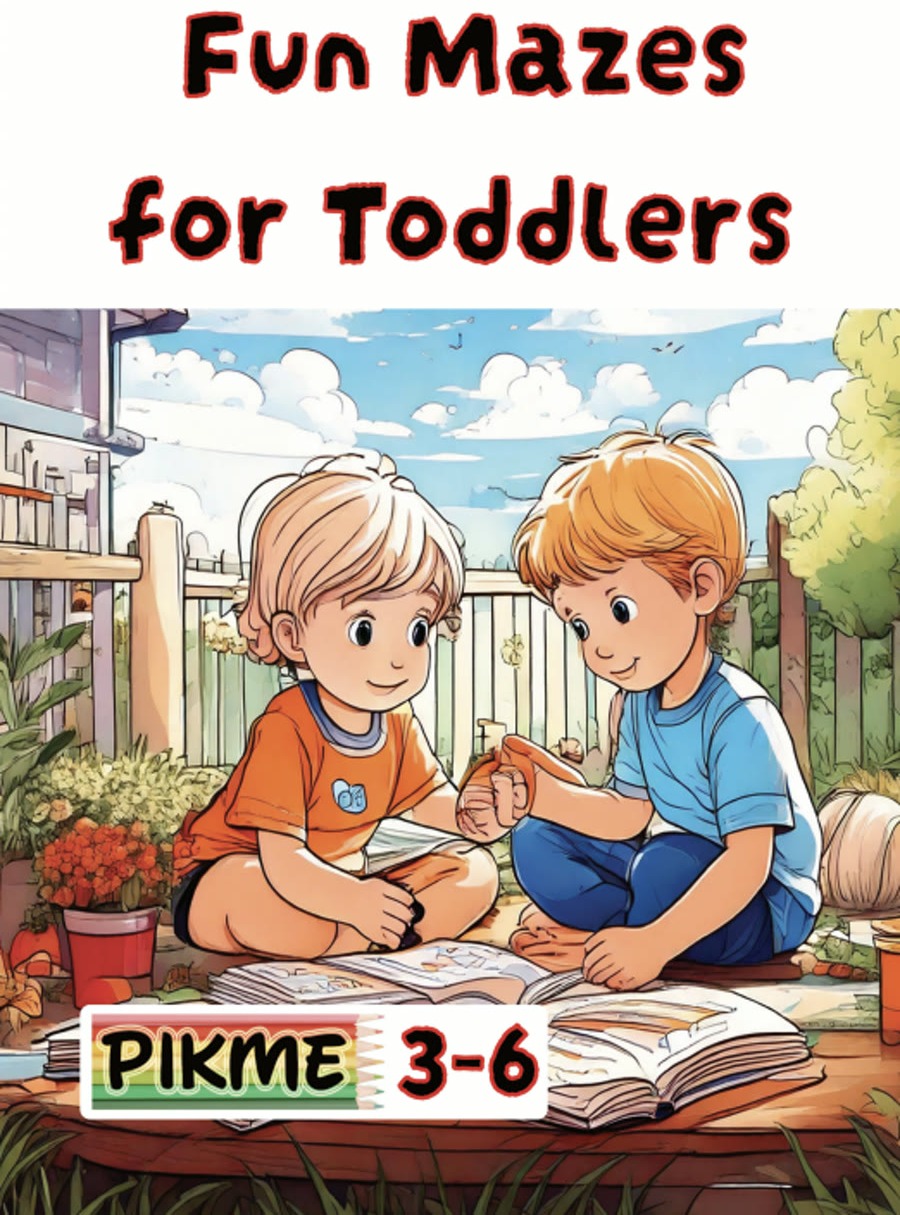
For coloring, choose a simple page with big shapes, a few chunky crayons, and no goal. Stay close, since toddlers can put crayons in their mouths, and use crayons that are labeled for your child's age. The Simple Coloring Book for Toddler and Cute Cats Coloring Pages for Toddlers are made for ages 2 to 4, and Fun Mazes for Toddlers is made for ages 3 and up.
Our free Quiet Time Starter Pack includes three printable pages, so you can try one tonight.
Quiet Time Starter Pack
A calming corner guide and three printable coloring pages, sent to your inbox.
Soft light and low sound
The NHS page suggests lowering the lights in the hour before bed, and notes that calm music or white noise can relax some children. The AAP also lists quiet music among the options. Keep the volume low and the choice simple.
A comfort object
According to the AAP, a teddy bear, a special blanket, or a favorite toy is fine to take to bed and can help with waking during the night. It recommends checking that the item has no choking hazards, such as buttons, loose ribbons, or loose stuffing.
Keep it short and flexible
Stop an activity when your child's interest fades. The order matters more than the exact items, so a shorter evening can still follow the same steps. The AAP encourages patience and understanding while your child learns the pattern.
If the routine is not working
Try small changes first. Start the routine a little earlier, remove one step, or set out the quiet activity before you switch off the screen. Some evenings will go better than others, and that is normal for toddlers.
When to ask a professional
Sleep is part of a child's health. If your child has ongoing trouble falling or staying asleep, or you are worried about their sleep for any reason, talk with your pediatrician. The NHS page also points families with sleep concerns to a health professional for advice and support.