Rainy days at home
A rainy day can feel long when everyone is indoors. A few ideas set out ahead of time keep the day calmer for children and adults alike, and most of them need almost no preparation.
Set up a rainy-day basket
Keep one basket ready: a box of crayons or colored pencils, a few printed coloring pages, a maze book, a soft blanket, and a favorite picture book. When the weather turns, you can bring it out in two minutes.
Our free Quiet Time Starter Pack gives you three printable pages for the basket.
Quiet Time Starter Pack
A calming corner guide and three printable coloring pages, sent to your inbox.
Ten low-prep activities
Seattle Children's Hospital suggests a household obstacle course, freeze dancing, masking-tape hopscotch, and timed scavenger hunts as indoor ideas, and the list below borrows several of them. Choose what fits your child's age and mood.
Quieter ideas
- Color a page. One simple page and a few crayons, with no goal and no need to finish. Beautiful Zoo Animals suits ages 5 and up, and Wild Flowers suits ages 7 and up.
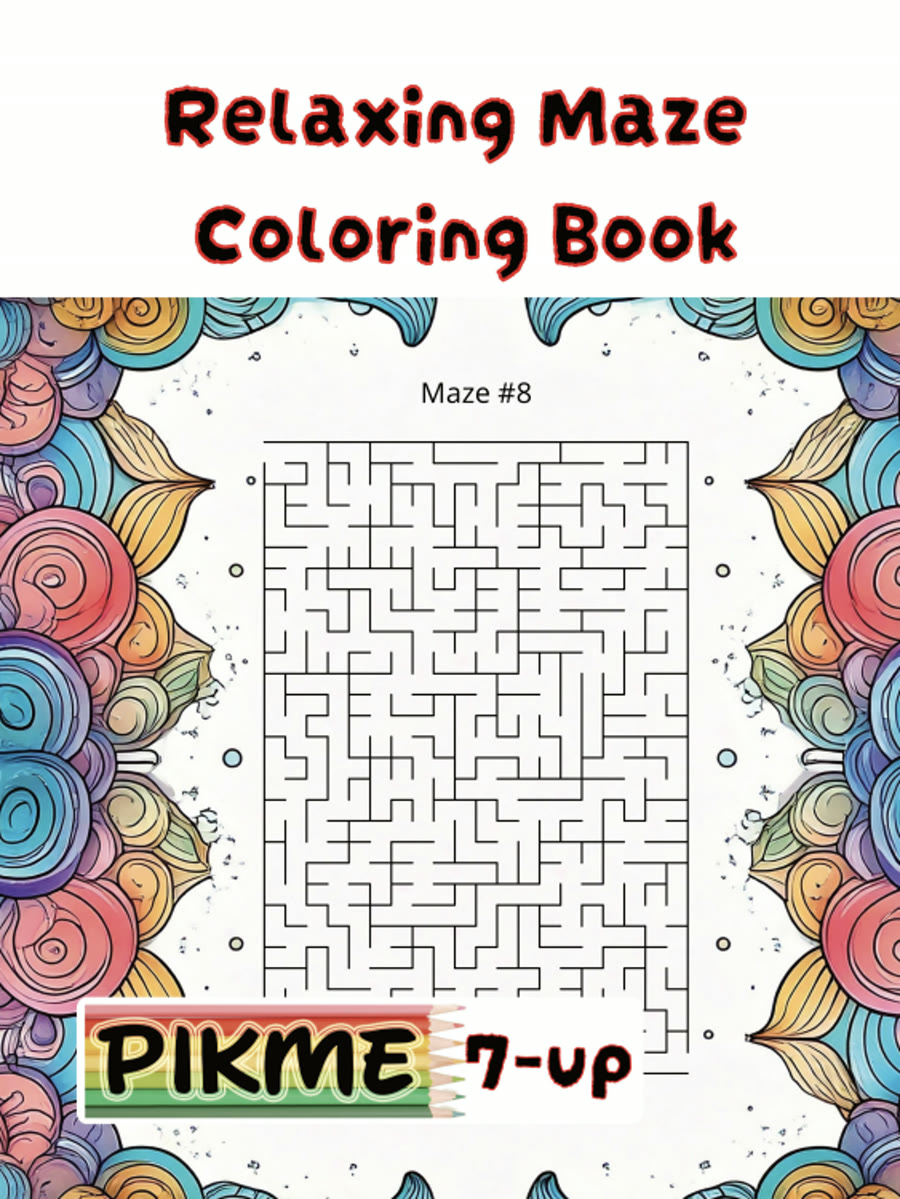
- Follow a maze. Fun Mazes for Relaxation and Relaxing Maze are made for ages 7 and up.
- Make a reading nook. A blanket, a few pillows, and a small lamp.
- Draw together. Roll out large paper and draw side by side.
- Listen quietly. Soft music, or a story read aloud.
Movement ideas
- Pillow obstacle course. Cushions to climb over and a blanket to crawl under.
- Freeze dance. Play a song, and everyone freezes when it stops.
- Masking-tape hopscotch. Tape the squares on the floor and peel them up afterward.
- Scavenger hunt. Find five things in the house that are red, round, or soft.
- Build something. Blocks, or cardboard boxes and tape.
Mix active and quiet
Seattle Children's notes that preschoolers should be active throughout the day, for about three hours in total, and that children and teens need at least 60 minutes. The time does not have to happen all at once. It can be split into sessions of about 10 to 15 minutes.
On a rainy day, you can alternate: one movement activity, then one quiet one. Some children settle more easily after they have had a chance to move.
Make screen-free time easier
The American Academy of Pediatrics encourages families to set aside screen-free times, such as family dinners, and screen-free places, such as bedrooms. For young children, it describes supervised independent play as more beneficial than screens when you cannot play with them yourself. Its example is a child playing with nesting cups nearby while a parent cooks dinner.
If your child seems unsettled when screen time ends, a short pause, a snack, and a quiet activity already set out can ease the change. Every child is different, so go by what you notice at home.
Safety note
For young children, choose materials that suit their age, avoid small items that could be a choking hazard, and stay nearby during play.
When to ask a professional
If your child often has strong distress when screen time ends, or you have questions about screen use for your family, your pediatrician can help. The AAP also offers a free Family Media Plan tool on HealthyChildren.org for building a plan that fits your household.