The right page makes quiet time easier
When a page is too hard, a child gives up. When it is too simple, attention drifts. A few quick checks can help you choose a page that fits your child, or yourself, on a given day.
Match detail to age
Drawing skills grow in small steps. According to the MSD Manual, children typically scribble in a circular pattern around age two and a half, copy a circle at three, copy a cross at four, and copy a triangle at five. The same table notes that the age at which children reach each step varies greatly, so treat these as a rough map and not a test.
In practice, that suggests three bands:
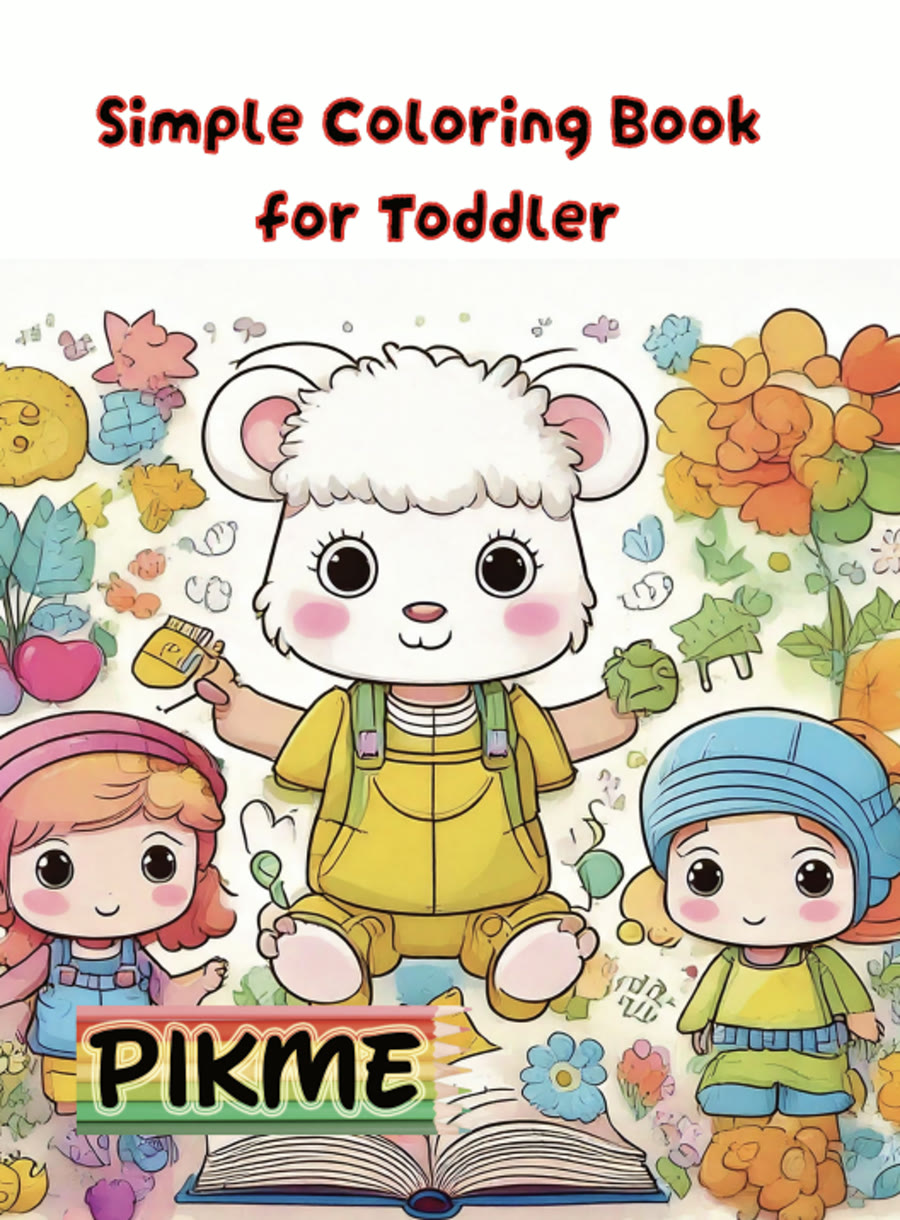
- Toddlers and early preschool: large shapes, thick lines, and plenty of open space
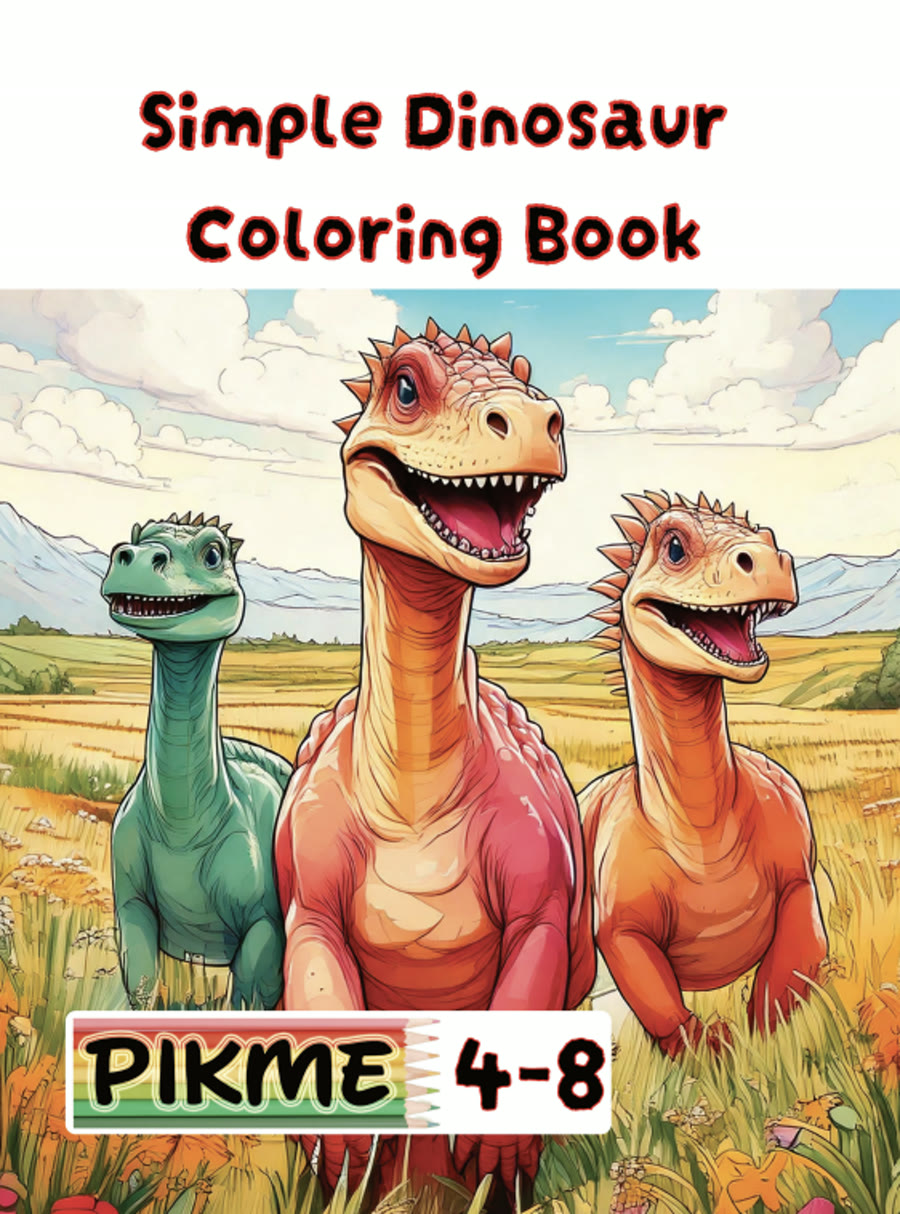
- Preschool to early school age: one clear subject with a little more detail
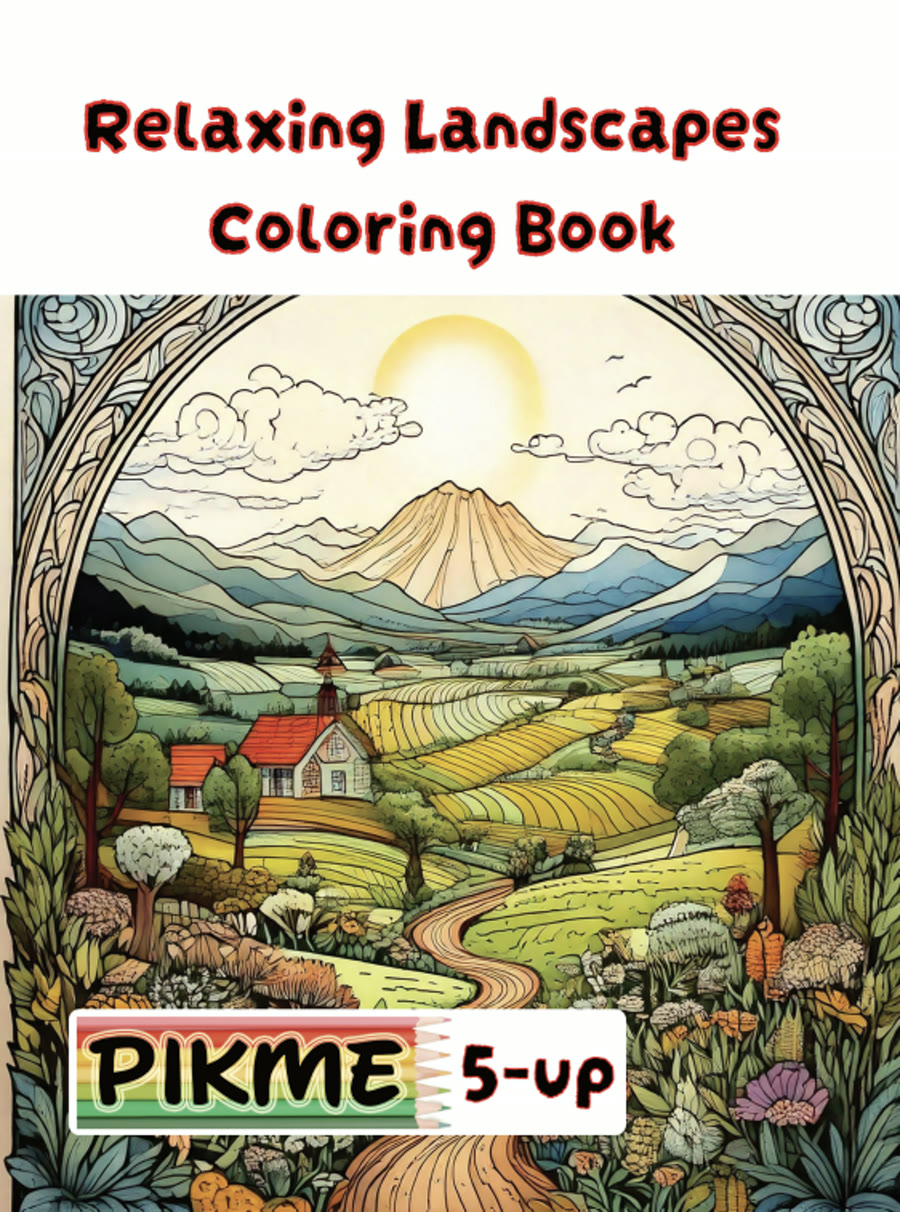
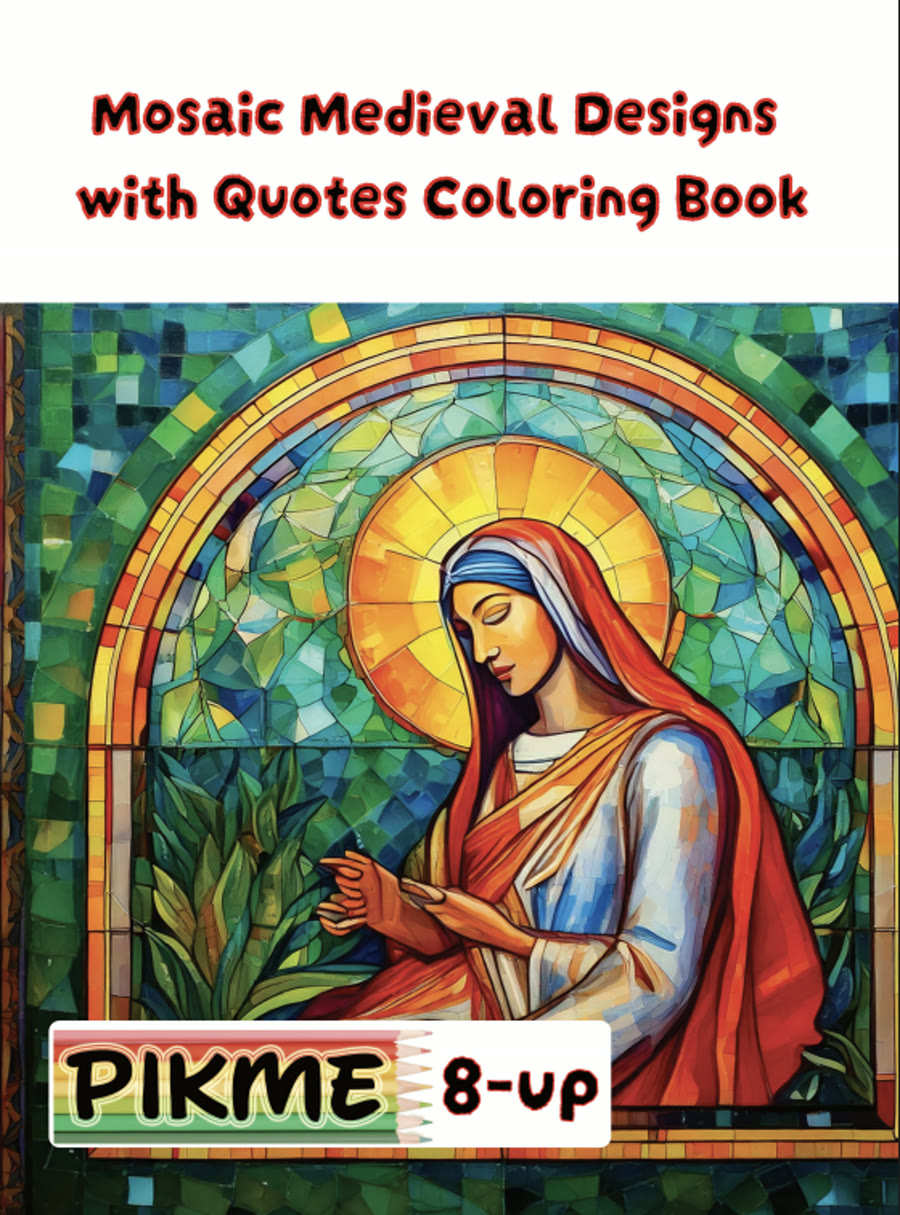
- Older children and adults: finer line work, patterns, and layered scenes
Our catalog labels each book with an age range, so you can use those labels as a starting point and adjust to your child.
Look at line weight and spacing
Thick lines and open spaces are forgiving, because there is more room to color without crossing a boundary. Fine lines and crowded areas suit steadier hands and longer sessions. If a child seems frustrated, moving to a page with thicker lines and fewer details is often an easy fix.
Pick a calm subject
A single subject, such as one animal, one flower, or one gentle landscape, is easier to settle into than a busy scene. When a child is already wound up, a page with a lot going on can feel like one more thing to take in. Soft nature scenes and simple, friendly animals are reliable choices.
Think about session length
Short sessions are enough. One page can be a complete activity, and stopping early is fine. If you are not sure a book will suit your child, a small first step is easier than a big commitment. Some of our books are also available as a 10-page digital pack you can print at home.
Crayons, pencils, or markers
Soft crayons and colored pencils are easy to control and gentle on the page. Markers can bleed through thin paper. For toddlers, choose thick crayons that are labeled for your child's age, and stay nearby while they color.
Try before you buy
Many of our book pages offer a free three-page sampler, so you can see how a style works for your child before choosing a book. Our free Quiet Time Starter Pack also includes three printable pages, from simple to detailed.
Quiet Time Starter Pack
A calming corner guide and three printable coloring pages, sent to your inbox.
When to ask a professional
Children vary widely in how and when they take to drawing. If you have any concern about how your child uses their hands for drawing or coloring, or if they avoid it or become very frustrated over time, mention it to your pediatrician or an occupational therapist.